

Technology
Becoming a Human-Centered Designer With Replit: Moving From Prototype to Production
By, Curtis Isozaki, M.A., CF-LSP
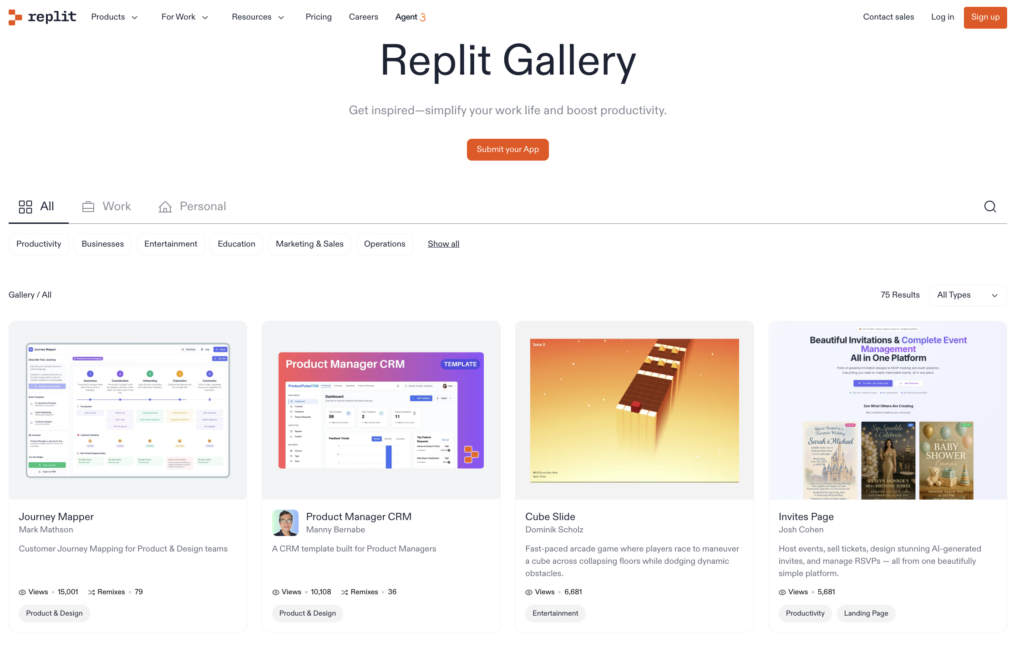
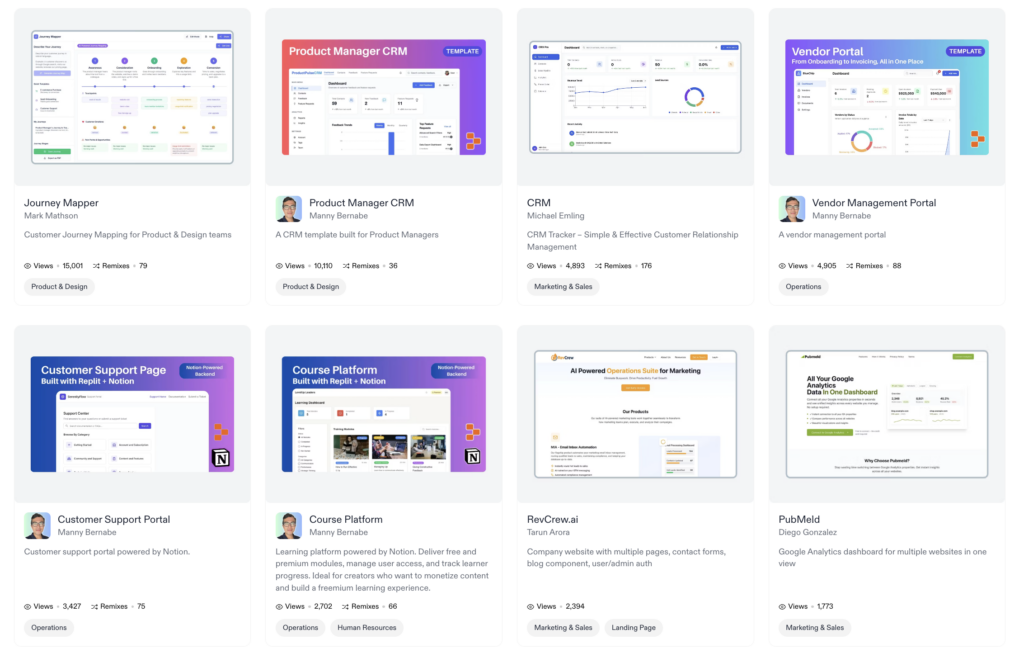
Exploring how Replit (n.d.) is used in real-world scenarios can be found in their gallery to spark inspiration, ideation, and implementation that simplify your work life and boost productivity. There are over 75 templates for work and personal life across categories such as productivity, business, entertainment, education, marketing, sales, operations, finance, health and fitness, product and design, landing pages, human resources, travel, utility, developer tools, products, community, customer support, sports, and more. Highlight specific case studies or examples. These templates include a Product Manager CRM, a Vendor Management Portal, a Customer Support Portal, a Course Platform, and more. However, what is most powerful is that you can build a functional application with Replit, utilizing its design, database, and deployment capabilities to solve various challenges (Isozaki, 2026). Becoming a human-centered designer with Replit allows users to move from prototype to production like never before.
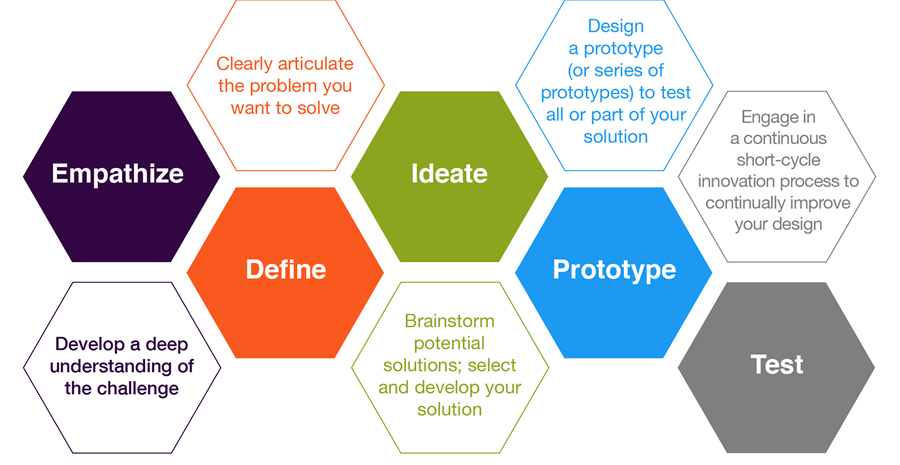
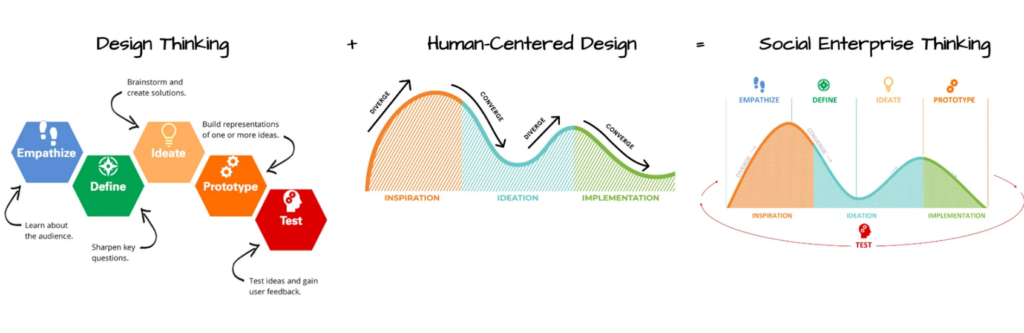
Through a human-centered design approach, becoming a designer consists of utilizing the five stages of human-centered design: empathy, define, ideation, prototype, and test, which provide opportunities for understanding needs and developing solutions (Klebahn & Utley, 2023). With this approach, engaging in conversations with empathy for data collection, understanding challenges to define them, ideating throughout prompting, prototyping applications, and test with end-users are all a part of the design process with Replit.
Resulting in practical applications across sectors, there is an opportunity for people to collaborate in real time through interdisciplinary initiatives that combine business and social science to scale an entrepreneurial mindset, enabling experimentation and the broader adoption of computational literacy as a 21st-century competency (Wing, 2006). Parker and Grote (2022) note that the digital workplace is evolving as technical work is automated, with roles shifting toward problem framing and system thinking to design solutions with worldwide impact. When entrepreneurs and leaders use Replit, they can build early prototypes that migrate into various systems, making it a platform for innovation and incubation across contexts.
Lastly, building an application has become more accessible, moving from prototype to production, as publishing and deployment have narrowed the gap between idea and impact. Traditionally, website application development has required configuring cloud hosting, building containers, configuring domain routing, and more. Now, developers can publish applications directly to URLs from the Replits interface, with hosting, configuration, and deployment working together. They can even monitor projects, edit code, and collaborate remotely through the mobile interface in addition to the desktop for more distributed global teamwork and accessibility. There is now seamless progression from scaffolding to live publication that distinguishes Replit as a lifecycle platform for all human-centered design.
References:
Isozaki, C. (2026, February 15). Building a functional application with Replit: Design, database, & deployment. Isozaki Coaching. https://isozakicoaching.com/buildingafunctionalapplicationwithreplit/
Klebahn, P., & Utley, J. (2023). Empathize and prototype: A hands on dive into the key tools of design thinking [PowerPoint presentation]. Stanford University.
Parker, S. K., & Grote, G. (2022). Automation, algorithms, and beyond: Why work design matters more than ever in a digital world. Applied Psychology, 71(4), 1171–1204.
Replit. (n.d.) Gallery. https://replit.com/gallery
Wing, J. M. (2006). Computational thinking. Communications of the ACM, 49(3), 33–35.
February 15, 2026