

Technology
Building a Functional Application With Replit: Design, Database, & Deployment
By, Curtis Isozaki, M.A., CF-LSP
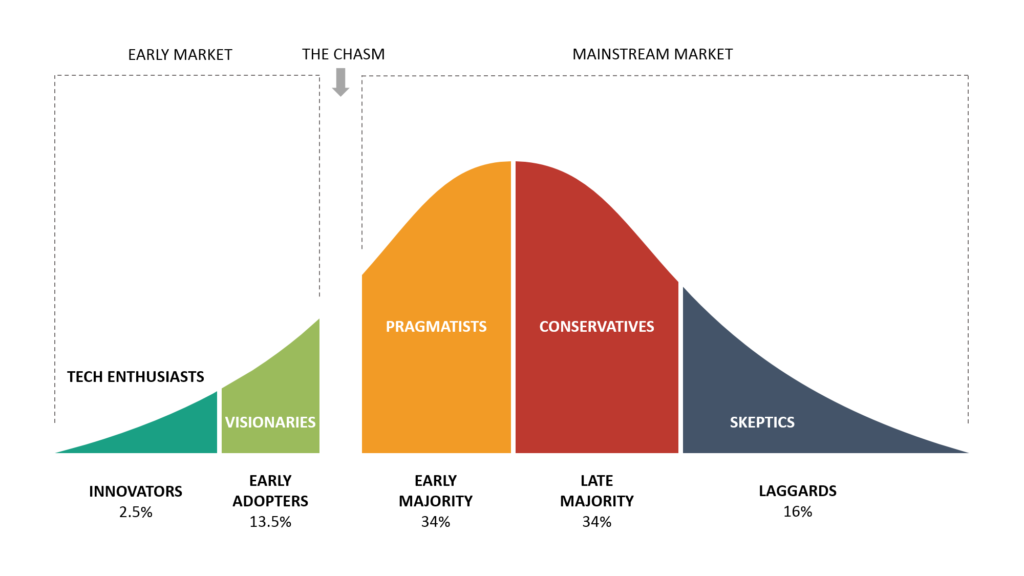
When Apple announced the creation of the App Store and the release of mobile applications, a new frontier emerged for building mobile and web applications that required structured design, coding, data storage, and integration across various technologies. During that time, these technological advancements led to start-ups needing to cross the chasm, engaging with innovators (technology enthusiasts), early adopters (visionaries), early majority (pragmatists), late majority (conservatives), and laggards (skeptics), as the key stages of market adoption where technological advancement moves from niche beginnings to mainstream success (Moore, 2014). At the early stages, there is often a gap known as the chasm, where disruptive technologies fail to transition into success. In the age of AI, artificial intelligence is moving across the chasm, while there is an opportunity to develop and leverage AI tools. One AI tool is Replit, which integrates various capabilities into an ecosystem that allows users to build full-stack applications without configuring the application’s layers, through what seems to be three stages: design, database, and deployment.
First, Replit enables real-time editing, previewing, and prompting, allowing developers to manipulate HTML, CSS, and JavaScript and see live updates in the browser. Through a seamless feedback loop that would often require a lot of back-and-forth technical conversations between the designer and coder, there is a tight feedback loop that reduces friction in the web application design process. There are also AI suggestions that assist with the layout’s structure, the creation of various components, and even style consistency. Replit’s design provides responsive layouts, dynamic frameworks, preview rendering, and iterative user interface refinements.
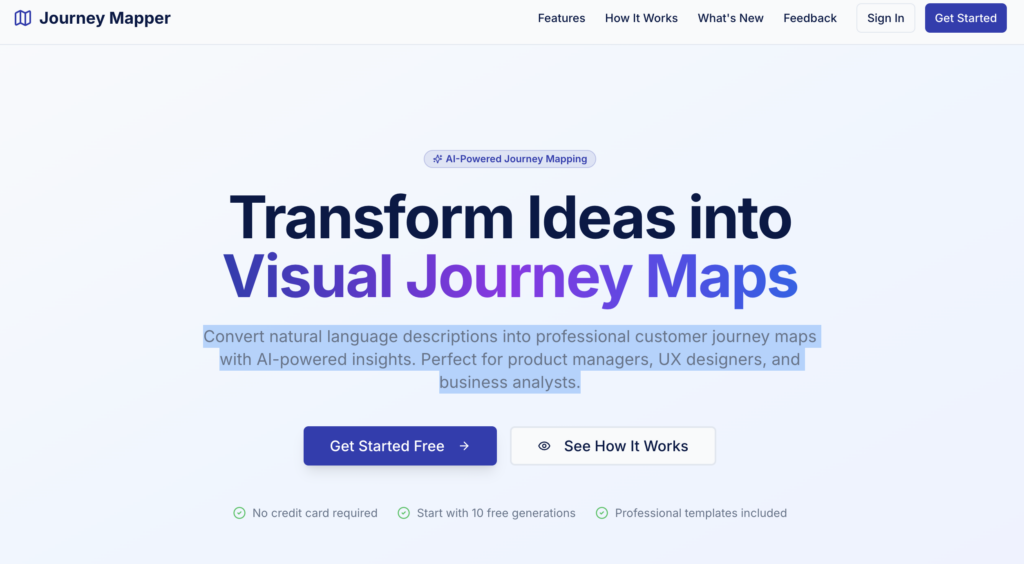
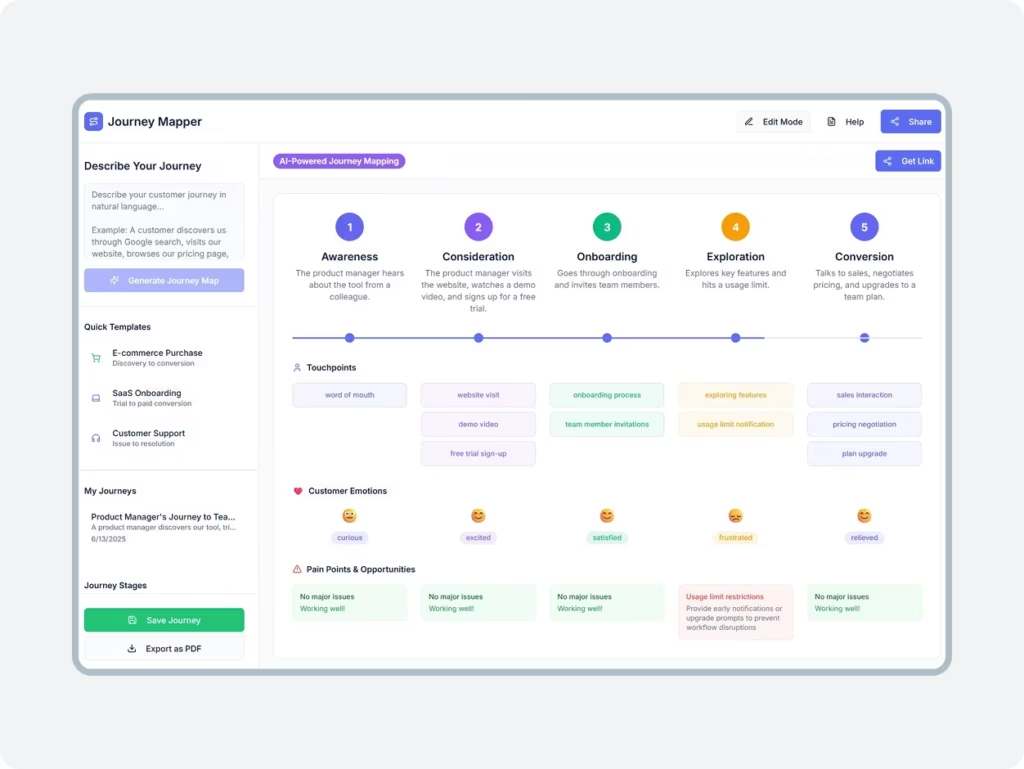
For the database, Replit provides built-in database options through structured storage, allowing developers to manage application data with the security of various single-sign-on services, including schema creation, query execution, and database logic integration for various application needs. Their user authentication system securely stores user credentials, validates login sessions, and manages role-based permissions as needed. Ultimately, Replit’s integrated database environment provides a secure, simplified architecture that reduces user login complexity and enables web application personalization.
Lastly, Replit provides supported integrations with various APIs and third-party services, including payment gateways, analytics tools, and authentication services, reflecting a robust architecture for modern web-based deployment. From a systems perspective, having these integrations provides a unified environment and experience, with design, database, and deployment not fragmented across multiple systems, resulting in lower operational costs. Replit is an interactive AI tool for web application development that turns inspiring ideas into engaging applications.
References:
Moore, G. A. (2014). Crossing the chasm: Marketing and selling disruptive products to mainstream customers (3rd ed.). HarperBusiness.
February 15, 2026